3 Deadly Steelhead Techniques for the Situk River
How to fish for steelhead on Alaska’s Situk River can be answered a number of ways. With all the ways to catch them, you’ll gain an edge mastering three deadly techniques. This guide breaks down the presentations that consistently catch fish on this premier steelhead destination.
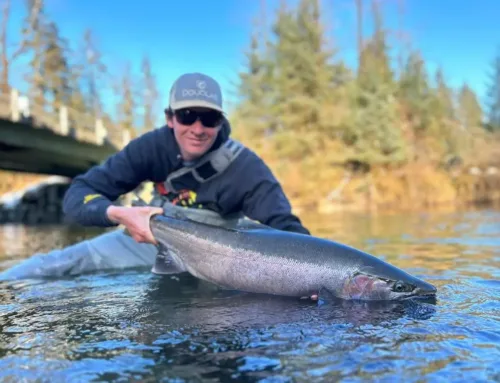
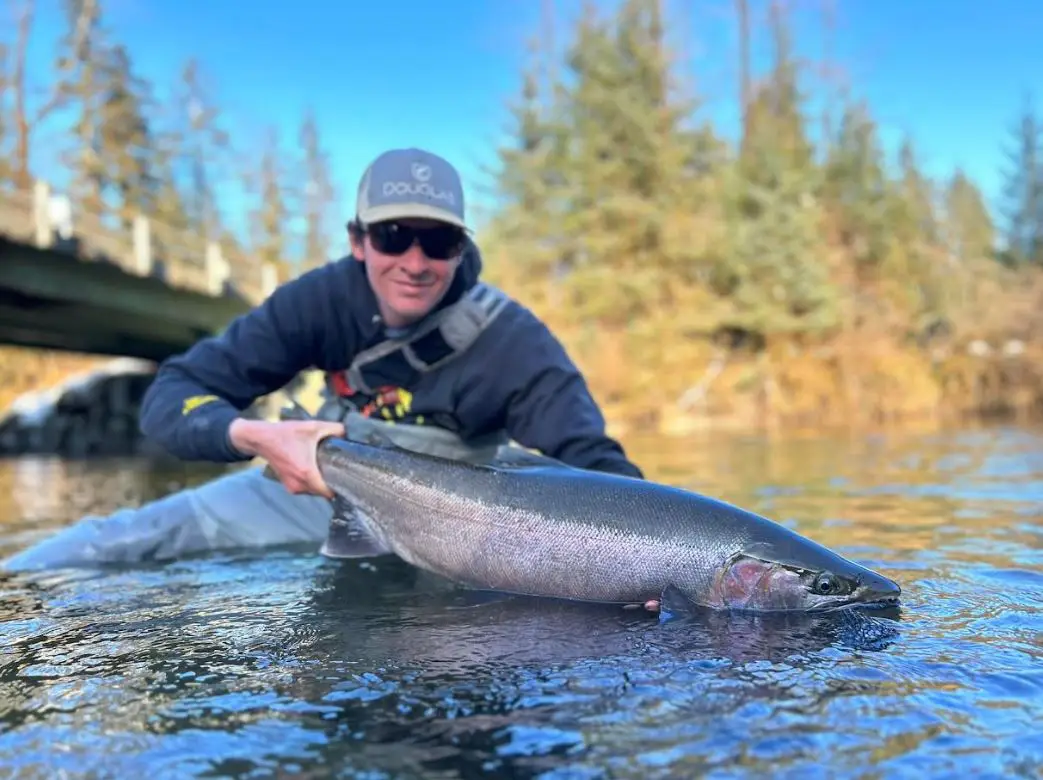
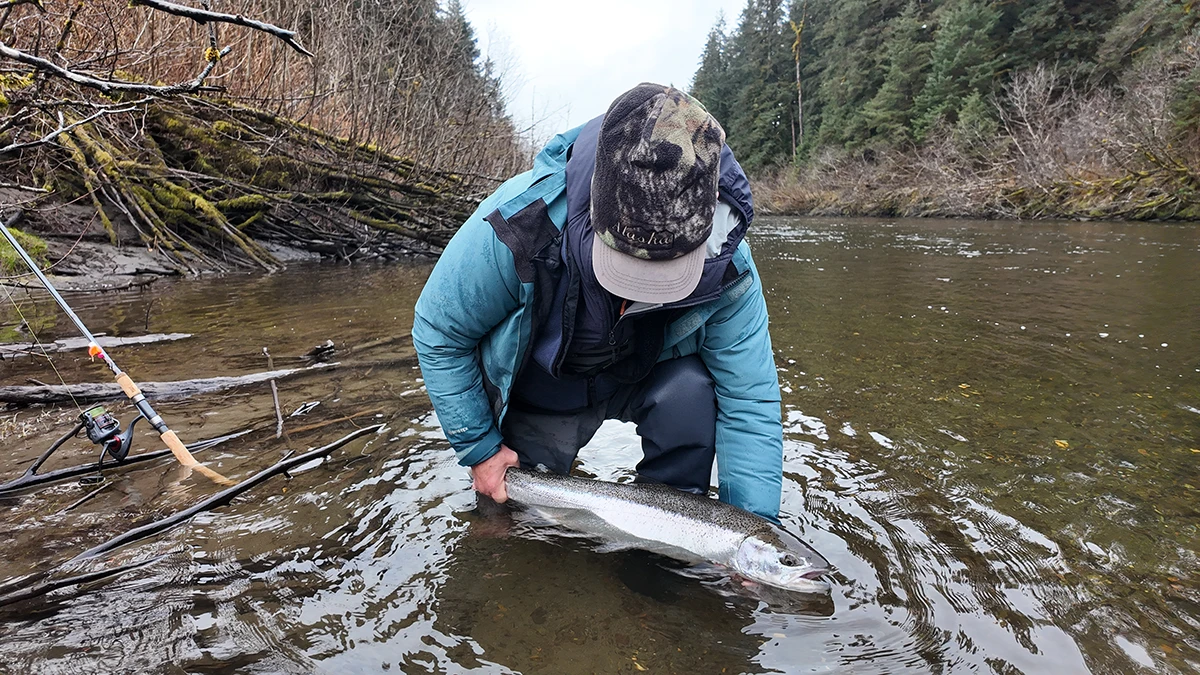
The Situk River is Alaska’s best steelhead fishery in numbers and size of fish. While an average fish is about 8- to 10 pounds, 15-plus-pound specimens are landed each year, with the occasional 20-pounder making an appearance. With the accepted moniker of top steelhead destination in Alaska, naturally it gets plenty of angler action. As angler activity increases, so does the pressure on the steelhead. This increased pressure can result in steelhead that are less likely to bite, so anything an angler can do to dial in their presentations can help to increase the number of fish that come to hand. This blog details three presentations that are especially effective for catching Situk steelhead.
How to Fish for Steelhead: Drift Fishing Aeropuffs for Savage Strikes
The Aeropuff is essentially mixed colors of Glo Bug yarn tied onto a chunk of hollow-core foam. The foam gives the lure lift so that it drifts naturally without snagging the bottom. The Glo Bug yarn creates contrast, profile, and undulating movement.
Anglers invented this lure in Yakutat many years ago, and it continues to be supremely effective. To rig the ‘puff, thread on the Aeropuff, an 8 mm bead, then tie off to a hook of your choice. A bead hook that’s size 2 through 2/0 is appropriate.
Proper Gear and Technique for Aeropuff Fishing
Side drifting works best for this presentation. Spinning rods are the tool of choice. A fast-action stick, somewhere between 7 and 8 feet, rated for 6- to 12-pound-test, or 8- to 17-pound-test, is the right rod. Match it with a 3000-series spinning reel piled with 30-pound-test braid and a 10-foot top shot of 15-pound-test fluorocarbon.
You’ll want to add 3 to 5 large split shot about 3 feet above the ‘puff. The key to this technique is to pitch the lure into holes in the brush along the shore and get it to drop immediately. Then be prepared for a jarring strike when an aggressive steelhead keys into the lure.
To do this you’ll cast upstream at about a 45-degree angle. Drop the tip to allow the lure to fall quickly. Get connected to the ‘puff as it “tap, tap, taps” along the bottom, and keep the rod angle low. There’s no confusion when a steelhead hits; the strikes are often violent. During a float down the Situk, this is one of the critical presentations to master to increase your catch rates on the drift.
Long Drifts with Bobber and Jigs for More Takedowns
See It in Action: Situk Steelhead Video Series
Steelhead Fishing Tactics Along Brush Lines
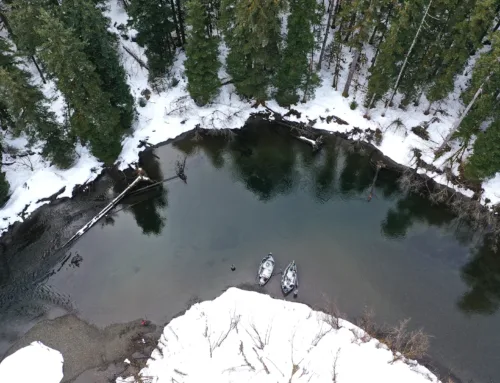
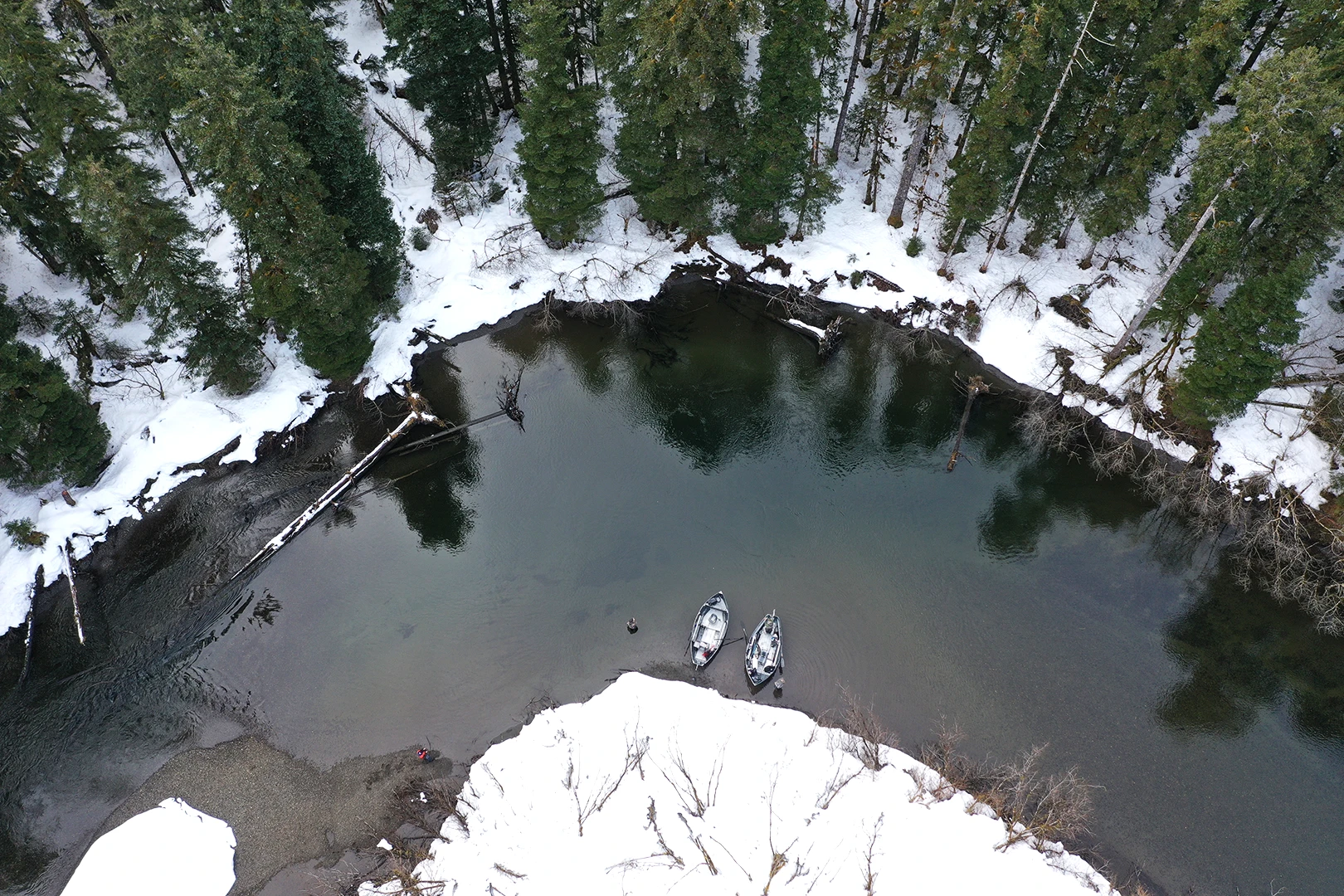
Situk steelhead often lay tight to the bank in cover. A long drift down a brush line can yield many takedowns. It’s a 14-mile float you’ll be taking when you drift the Situk, so you’ll have lots of holding water to check out. Since our guides work these waters every day, we’ll increase your hook-up and catch rates by fishing the best water.
Unguided anglers without current time on the water have the disadvantage of not knowing where all the snags and wood lay within the river. And there’s lots of them. Casting blindly into the Situk will result in a lot of lost tackle. Learn more about reading steelhead water before your trip.
Mastering Line Control and Drift Presentation
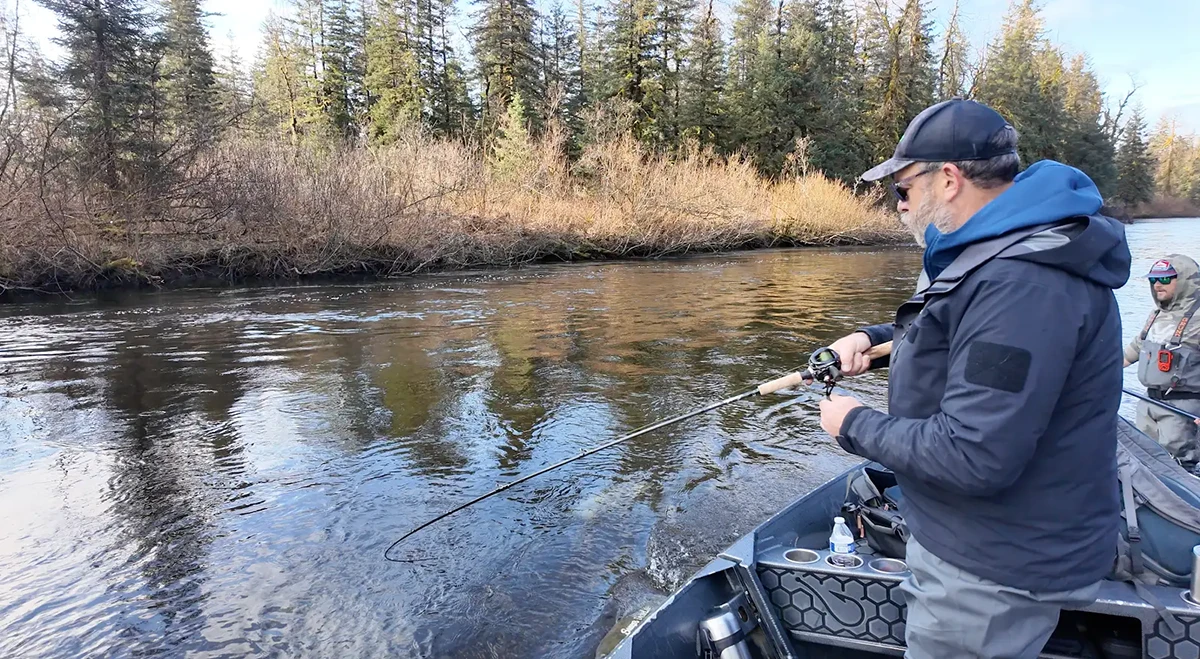
Free drifting a bobber and jig is about making long, drag-free drifts while keeping your jig in the fish zone. Let’s say a foot off the bottom. From an anchored position, an angler will cast slightly downstream and across. The goal is to land the bobber and jig in the fish’s travel lane. On the Situk, this is typically pretty close to the brush at the edge of the river.
From here, line control is the game. As the bobber and jig move downriver, the angler needs to let line out to keep the tackle from being pulled across current. Additionally, they will need to mend the line upriver of the bobber. This prevents the current from forming a belly in the line and pulling the tackle across current and out of the zone.
Adjusting Depth and Optimizing Your Setup
Maintain a high rod angle as the bobber floats downriver. Mend line upriver when needed to keep the bobber traveling smoothly, without drag, downriver. Since the river is not the same depth throughout, you’ll be bumping bottom at times with the jig. At that point, you’ll adjust the bobber stop attached to your line upwards. This allows the jig to ride a little deeper on the next drift. Our experienced guides will be constantly adjusting your depth throughout the day’s float.
A longer rod is better for drift fishing. A 9- to 10-foot, medium-action, medium-power, 8- to 17-pound-test rod is a good choice. Pair it with a 3000-series spinning reel, pile on 30-pound-test braid, and 15 feet of 15-pound-fluorocarbon.
To rig, first you’ll thread on the bobber stop, then small bead, bobber, another small bead, and another bobber stop. That last stop prevents losing the bobber if you break off the swivel and leader. Add weight (matched to the bobber size) and barrel swivel. The final piece is a 3-foot section of 12-pound-test fluorocarbon leader attached to the jig.
Jig Selection and Water Coverage Strategy
Anglers typically fish 1/8- to 1/4-ounce jigs made from marabou, rabbit, or synthetic materials in a wide range of colors. Another popular jig is a bare jig with a worm pinned on it. Many different companies make good-looking worms. Consider 3- to 5-inch options in a range of colors.
One benefit of this presentation is that if one color or size isn’t working, it’s fast to swap out the worm and change it up for the next pass. We will typically make quite a few drifts from anchor through productive water. Mix up the cast lengths to hit new pockets, and change up the jig color and style to promote more takedowns.
One word of advice—with this technique you can have a lot of line on the water. When the bobber goes down you want to “reel ’til you feel.” When you get tight to the steelhead, then set the hook. Trying to set without first picking up the slack in your line doesn’t work well.
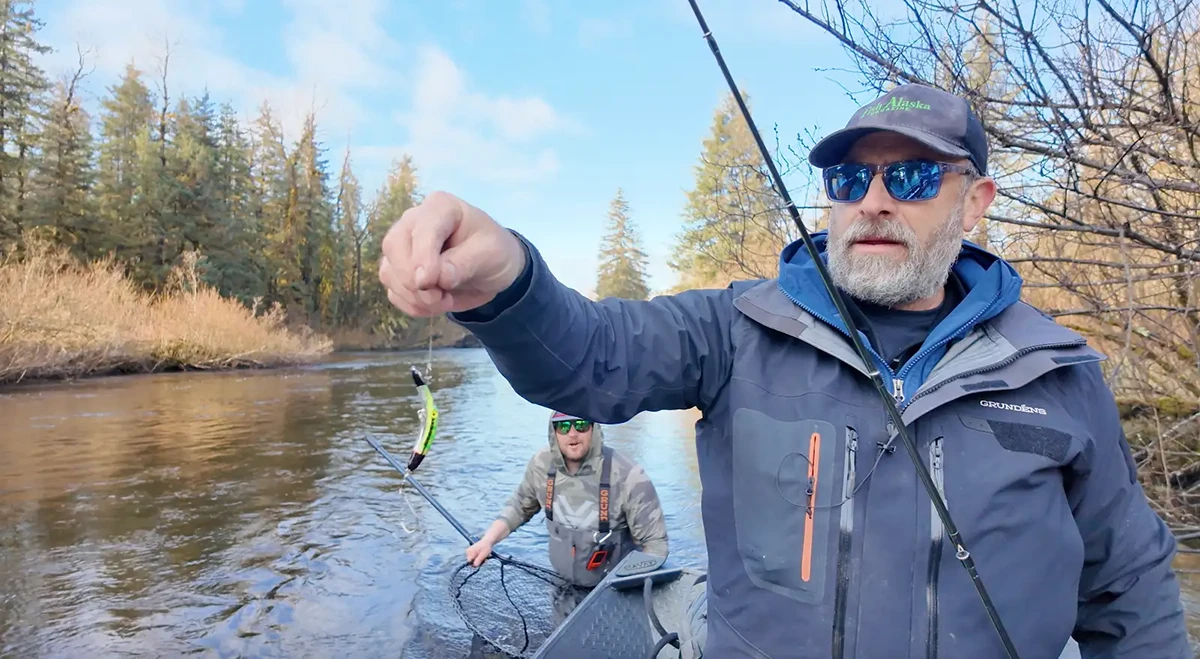
Stealth Backtrolling Plugs- Selecting the Right Plugs and Patterns
After working the water with jigs, there’s another presentation to consider before resuming the drift. Wobbling plugs have long been known to work on salmon in Alaska. Many anglers also know that they work well on trout.
Fish downsized plugs as compared to what you might use for salmon. Yakima Bait Mag Lip 3.0 is a good starting point. There are many different patterns available, and our guides have their favorites. Some add their own custom personal touches to the plug.
Pinks, cerise, chartreuse, blue, silver, red….they all will catch fish. However, some patterns definitely work better than others. And some plugs have a little more fish-catching action than others too. That’s just part of the fun of angling.
Rod Setup and Fighting Technique for Plugs
Rods should be baitcasters that are about 8 or 8.5 feet long, with a medium action and medium power. Line rating of 8- to 17-pound-test, or 10- to 20-pound-test are good options. The main thing you are looking for in a plug rod is a soft top section.
This allows a steelhead to grab the plug without feeling too much resistance. The fish then hooks itself when it turns across current and pulls the line tight. The best way to fish plugs for steelhead, or salmon, is to leave them in the rod holder until they are buckled over.
Too many anglers have held the rod, set when the fish first grabs the plug, and lost the steelhead before the battle began. Check out proper plug fishing techniques to maximize your success.
Match the rod with a baitcasting reel with good drag and adequate capacity. Run 30-pound-test braid and a 20-foot top shot of 15-pound-test fluorocarbon. Tie directly to a clip; attach the plug and you are ready to roll. Our guides will put you into position to deploy the plug and slowly back down the run. This sticks the wiggling plug in front of steelhead’s faces and entices them to bite.

Armed with these three techniques, anglers that fish with us get the chance to catch wild steelhead amid the twisting, turning, wood-choked Situk. Gliding through old-growth forest, sharing space with moose, bears and eagles, an angler will get a true test of their mettle when they hook a white-hot steelhead fresh from the sea. If you don’t know already, you’ll quickly realize why steelhead are among the most sought after gamefish in Alaska.